

Wednesday, September 28, 2005

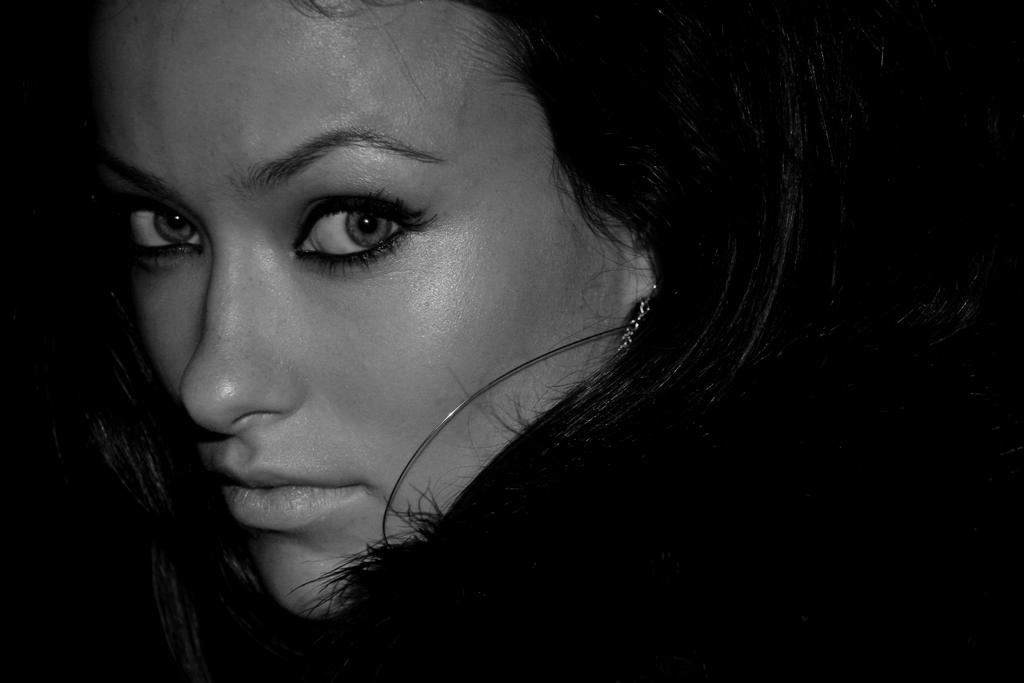
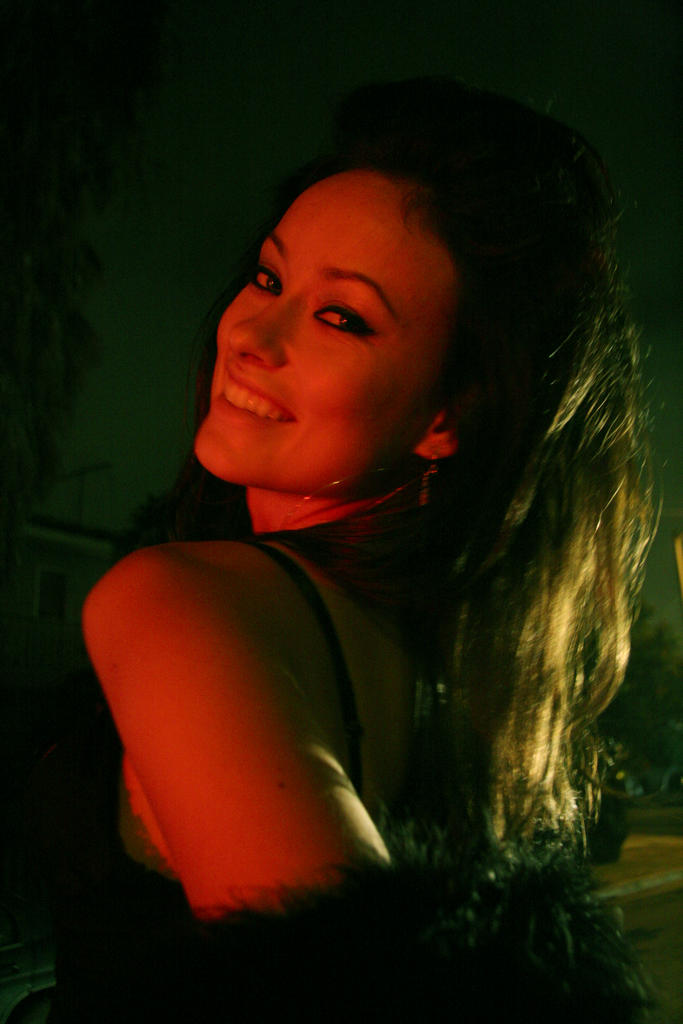
Olivia

Friday, September 23, 2005

Thursday, September 22, 2005

bartolomeo ruspoli

Tuesday, September 20, 2005

olivia


Careyes

Sunday, September 18, 2005

vignanello


Olivia


Monday, September 12, 2005

driving to the telluride film festival

Tuesday, August 30, 2005

venice, california

Monday, August 29, 2005

Flying from LA to Oakland


I love taking pictures from the window seat of airplanes. In fact, I am making a blog of only those pictures at idlikeawindowseat.blogspot.com

Stevie

The LAFCO Bus in Northern California


For more on the LAFCO film collective, visit www.lafco.tv

burning Man 2004


rome

a bowl of surreal

a superimposition

Sunday, August 28, 2005

My brother Theodore in Lago di Vico, Italy

Bomarzo

Olivia Wilde

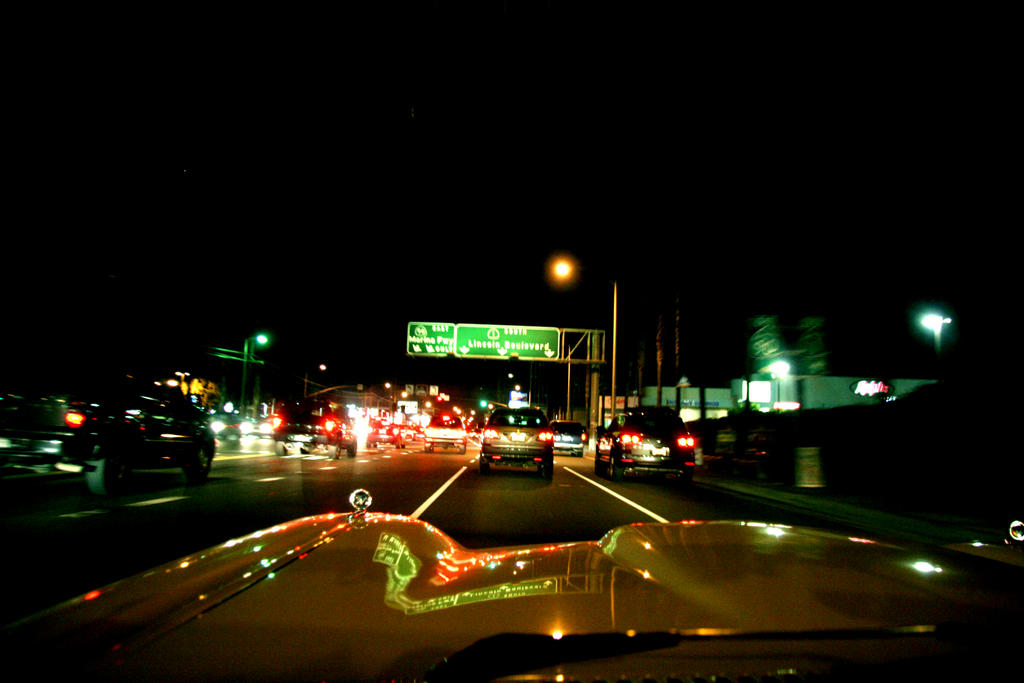
Driving down Lincoln Blvd.

Driving down the 5

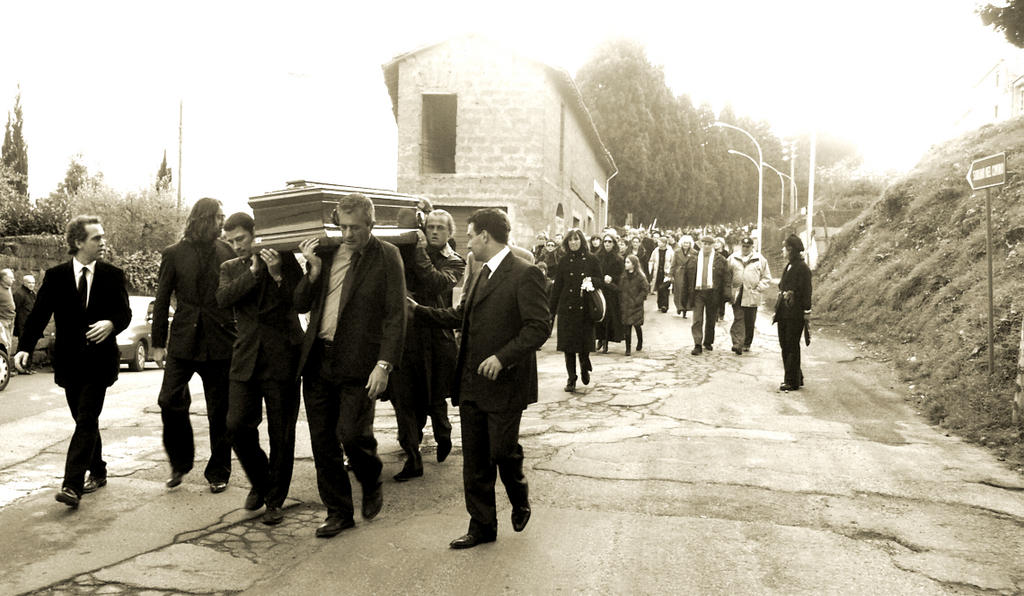
My father's funeral


Megalyn Echikunwoke

Olivia

Cody Lucich, LAFCO filmmaker


For more on the LAFCO film collective and the LAFCO bus visit www.lafco.tv

Olivia

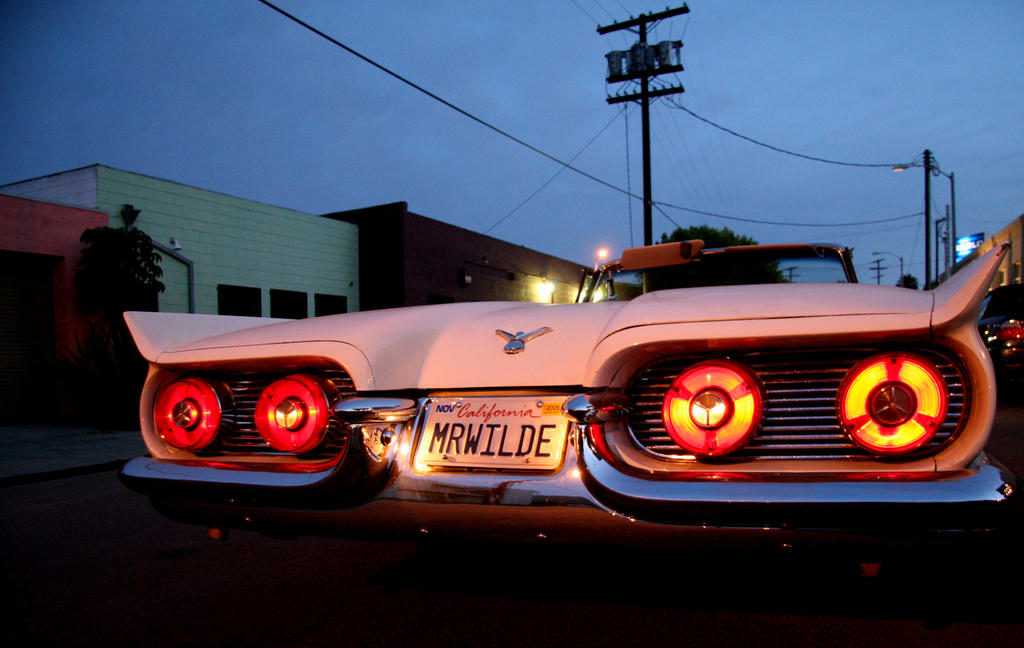
My 1959 T-Bird

driving down the 10

Thursday, January 13, 2005

Dado's funeral


Friday, September 05, 2003

Burning Man 2003

Click on image to view full gallery.

Monday, September 01, 2003

Burning Man 2003

Saturday, March 29, 2003

Shot of the Day


Thursday, March 06, 2003

Buck Fushers

Edited by Kateri Butler
LA Weekly: Music

Thursday, Mar 6 2003

With more than a thousand different productions of THE LYSISTRATA PROJECT taking place worldwide and some two dozen or so in SoCal, it was hard to decide which one to attend. The Lysistrataat the LAFCO POWERHOUSE CULTURAL SPACE was definitely the city's big celeb event; people assured the harried clipboard boy they had tickets as TV reporters idled in front of their news vans. SHELLEY FABARES and peacenik hubby MIKE FARRELL stopped for the cameras before moving into the tight brick-walled space with MICHAEL O'KEEFE, BLAIR UNDERWOOD and JOHN HEARD, who had slapped a "Buck Fush!" sticker on the back of his pullover. First the RADICAL TEEN CHEERS whipped up the audience with chants taking on SUVs and child labor. TOM HAYDEN emceed the evening, noting: "If we're not making a difference, we are certainly making history." The overflow crowd outside screamed, "No sound!" as Hayden quoted Emma Lazarus, letting everyone know the mikes were on the fritz. "Should I fix it?" MARY McDONNELL asked the audience laughing inside. Luckily, when ALFRE WOODARD began reading, everybody settled down. "How big a thing is this?" JULIE CHRISTIE, playing Calonike, asked Woodard's Lysistrata. "It's big," Woodard said with a knowing eye to the crowd. ERIC STOLTZ made for the world's most charming Kinesias, ROSCOE LEE BROWNE lent the Commissioner for Public Safety his singular vocal gravitas, while CHRISTINE LAHTI and JOSÉ ZÚÑIGA had fun as the Spartans. Still, can a 2,400-year-old sex comedy chock-full of dick jokes bring about world peace? A question only a Bush can answer. —Christopher Lisotta

Thursday, January 02, 2003

What is LAFCO?


Saturday, November 09, 2002

The Gas Company, Venice: Jonah, Mona & David


Friday, November 01, 2002

Mick Jagger


Friday, September 27, 2002


Film + Bus + Freedom = Art
LA Weekly: Sept.27 - Oct. 2, 2002 
Francis DellaVecchia
Read the real article here.

JUSTIN CREDIBLE’S BOYFRIEND DUMPED HER. STORMING OFF TO GET DRUNK, SHE spotted a highly stylized graffiti-covered school bus. Justin wondered about this bus’ presence in her remote Northern California town. But before her buzz had worn off, she was on it, making a film. In You Can’t See Me Can You?, Justin takes off her clothes and bares her soul to her erstwhile boyfriend as she never could in person or on paper.

I met Justin when she stopped by Roger Mona Webster’s Venice studio, which serves as the home base for the bus that houses the Los Angeles Filmmakers Co-op. (Webster is a member of the co-op; he photographs LAFCO’s trips.) Emblazoned on the bus is a quote from Jean Cocteau: "Film will only become art when its materials are as inexpensive as pencil and paper." Daily, LAFCO edges closer to Cocteau’s dream by making the means of film production available to people like Justin at a minimal cost or free ("LAFCO supports widening access to digital video production so that socio-economically marginalized filmmakers can find their rightful place in the digital revolution," says its Web site).

Twenty-six-year-old founder Tao Ruspoli, an Italian-American filmmaker born in Thailand, bought the 1985 Chevrolet Bluebird school bus for $3,000 on eBay (where he was its only bidder), and outfitted it with all the tools necessary for modern filmmaking: a library for research, digital video cameras, lights, recording decks, three Macs for editing with Final Cut Pro, even a screening room (check it out at www.lafco.tv). With the resources so available and immediate, non-filmmakers can experiment with blurring the traditional line between active creator and passive viewer, and make even the avocational user a more critical consumer of film.

One day, the collective hopes, it will have a fleet of buses rambling worldwide, distributing the power of filmmaking with anarchic ideals. Says Webster, "In a world of shrinking freedoms, this is a reaction to the crisis of what to do with creativity."

—Francis DellaVecchia

Monday, July 22, 2002

Video nation

by Duncan Campbell
guardian.co.uk
Wednesday 10 July, 2002
View Guardian article here.

Duncan Campbell gets on board the US's first mobile anarchist digital video studio, and gets to see film-making and America in the raw

Parked on a side street in Venice, in the west of Los Angeles, is an old school bus with the following quotation from Jean Cocteau painted on its side: "film will only become art when its materials are as inexpensive as pencil and paper."

At a time when some actors are being paid more than $20m for a film and even a budget of say, $10m, is seen as small, Cocteau's words have a particularly timely resonance. And inside the painted bus, a bold adventure is underway to turn his words into reality.

The bus belongs to LAFCO, the LA Film-makers' Coop, which was founded in 2000 and whose aim is to allow people to make films for virtually nothing. Inside the bus, apart from a disarmingly friendly bulldog called Diego, is a complete editing and post-production suite, film library and recording booth, making it in the words of its founders, "the first fully self-sufficient anarchist digital video studio on wheels."

LAFCO was founded by Tao Ruspoli, a 26-year-old Italian born in Thailand and raised in Rome and the States, where he studied philosophy at Berkeley, and a friend, Alfonso Gordillo, also 26, a Swiss-Spanish film-maker who studied film at the University of California in LA. Ruspoli, who was originally a documentary film-maker, was always attracted to the nomadic life and found, via eBay, a 1984 Chevy Blue Bird school bus in Colorado which he has since transformed into a travelling studio and home. He and Gordillo have since been joined in their venture by an Australian experimental film-maker, Julian Dahl, and a photographer and designer from LA called Roger Mona Webster.

Their aim is to demystify the film-making process and enable people who would never otherwise get near a camera to make their own movies. This process of 'fly film-making', making a whole movie sometimes in a few days, is open to whoever they bump into who has an idea. To this end, the bus travels round the United States, much in the manner of Ken Kesey's 60s Merry Pranksters, stopping in small towns and inviting locals to create their own short film. The team help them make and edit the film, and then show it "in barns, in bars, sometimes even in cinemas." Some of their films are also shown on the internet.

The bus was painted by one of LA'S best-known graffiti artists, Skill. "So this art that was marginalised and looked down on was made visible and mobile - and noble!" says Ruspoli, whose infectious enthusiasm for the project has brought in an eclectic group of fellow-travellers. "The school bus is a symbol obviously - where everyone can go on a journey. It represents an escape from convention."

In their first big trip, up the Californian coast, one of their first film-makers was the 73-year-old poet, ruth weiss (she likes the lower case) who used to perform with Jack Kerouac in the early beat days. The Coop have filmed, too, at Burning Man, the famous desert festival and taken the bus to the Sundance film festival and the Tijuana Graffiti Convention.

The whole enterprise is run on a frayed shoestring of donations, and they are hoping now for grants or sponsors to help them on to the next stage - setting up an LA base. Their dream is of a fleet of buses crossing the US and heading off to Central America, helping people to make films about whatever they want on tiny budgets.

"One of the comments we often get is that we are showing a side of America that people don't usually see," said Ruspoli. "They only see the empire and McDonalds and Coke - not all the other things that people are doing."

Jean Cocteau would be proud to see his words used in this way. As he also remarked: "being tactful in audacity is knowing how far one can go too far."

© 2011 Guardian News and Media Limited or its affiliated companies. All rights reserved.

Friday, July 12, 2002

That was Zen, This is Tao


Wednesday, July 10, 2002

Video Nation


Video nation

Duncan Campbell gets on board the US's first mobile anarchist digital video studio, and gets to see film-making and America in the raw
Parked on a side street in Venice, in the west of Los Angeles, is an old school bus with the following quotation from Jean Cocteau painted on its side: "film will only become art when its materials are as inexpensive as pencil and paper."
At a time when some actors are being paid more than $20m for a film and even a budget of say, $10m, is seen as small, Cocteau's words have a particularly timely resonance. And inside the painted bus, a bold adventure is underway to turn his words into reality.
The bus belongs to LAFCO, the LA Film-makers' Coop, which was founded in 2000 and whose aim is to allow people to make films for virtually nothing. Inside the bus, apart from a disarmingly friendly bulldog called Diego, is a complete editing and post-production suite, film library and recording booth, making it in the words of its founders, "the first fully self-sufficient anarchist digital video studio on wheels."
LAFCO was founded by Tao Ruspoli, a 26-year-old Italian born in Thailand and raised in Rome and the States, where he studied philosophy at Berkeley, and a friend, Alfonso Gordillo, also 26, a Swiss-Spanish film-maker who studied film at the University of California in LA. Ruspoli, who was originally a documentary film-maker, was always attracted to the nomadic life and found, via eBay, a 1984 Chevy Blue Bird school bus in Colorado which he has since transformed into a travelling studio and home. He and Gordillo have since been joined in their venture by an Australian experimental film-maker, Julian Dahl, and a photographer and designer from LA called Roger Mona Webster.
Their aim is to demystify the film-making process and enable people who would never otherwise get near a camera to make their own movies. This process of 'fly film-making', making a whole movie sometimes in a few days, is open to whoever they bump into who has an idea. To this end, the bus travels round the United States, much in the manner of Ken Kesey's 60s Merry Pranksters, stopping in small towns and inviting locals to create their own short film. The team help them make and edit the film, and then show it "in barns, in bars, sometimes even in cinemas." Some of their films are also shown on the internet.
The bus was painted by one of LA'S best-known graffiti artists, Skill. "So this art that was marginalised and looked down on was made visible and mobile - and noble!" says Ruspoli, whose infectious enthusiasm for the project has brought in an eclectic group of fellow-travellers. "The school bus is a symbol obviously - where everyone can go on a journey. It represents an escape from convention."
In their first big trip, up the Californian coast, one of their first film-makers was the 73-year-old poet, ruth weiss (she likes the lower case) who used to perform with Jack Kerouac in the early beat days. The Coop have filmed, too, at Burning Man, the famous desert festival and taken the bus to the Sundance film festival and the Tijuana Graffiti Convention.
The whole enterprise is run on a frayed shoestring of donations, and they are hoping now for grants or sponsors to help them on to the next stage - setting up an LA base. Their dream is of a fleet of buses crossing the US and heading off to Central America, helping people to make films about whatever they want on tiny budgets.
"One of the comments we often get is that we are showing a side of America that people don't usually see," said Ruspoli. "They only see the empire and McDonalds and Coke - not all the other things that people are doing."
Jean Cocteau would be proud to see his words used in this way. As he also remarked: "being tactful in audacity is knowing how far one can go too far."

Thursday, November 22, 2001

Filmmakers are taking the bus

Los Angeles Times
November 22, 2001
Jim Heid:
Mac Focus
Filmmakers Are Taking the Bus

At first glance, the graffiti-painted school bus looks like something most moms would steer kids away from. But this is no vandalized vehicle--it's a Mac-based video production studio piloted by an edgy group of Los Angeles filmmakers working to bring movie making to a wider audience.

The bus belongs to the Los Angeles Filmmakers' Co-op, or LAFCO for short, and it's a rolling testament to the democratizing power of personal computers. The bus and its drivers are three months into a yearlong, cross-country road trip focused on enabling artists in rural areas to experiment with the medium of film. When I caught up with them, the bus was parked next to an artist's barn near the Mendocino County town of Albion, population 398.

LAFCO was founded by Tao Ruspoli, who in 1999 was the sole bidder on an EBay auction for a 1985 Chevrolet Bluebird school bus. After driving his $3,000 find from Colorado to Los Angeles, he replaced its seats with custom-built furniture that now houses video-editing workstations. In the back of the bus, a seating area doubles as a screening room, complete with a ceiling-mounted video projector and surround sound audio system. "The idea grew as people brought their visions to it," said Ruspoli, 25. One of those people is Alfonso Gordillo, 26, a UCLA film school graduate who helped found LAFCO and shares in bus-driving duties with Ruspoli and a third member of the team, photographer Roger Mona Webster.

Eloquent and Euro-handsome, both Ruspoli and Gordillo are multilingual, and when their trip began, they made ends meet by working as interpreters for international conference calls. Now that their travels have taken them to areas that often lack cellular phone service, they're relying largely on donations and video sales. They've also received funding and advice from other LAFCO members, including independent filmmaker Julian Dahl, who serves as a consultant to the group.

The LAFCO bus got its initial road tests in the L.A. area, where the team toured local high schools. After longer jaunts to Tijuana and the Sundance Film Festival in Park City, Utah, the bus was ready for its current mission, which began at this year's Burning Man festival in Nevada and ends there next year.

LAFCO describes this trip as a "Cine Circus." The team rolls into town like traveling troubadours and seeks out local artists--or is sought out by them. "We want to give artists the chance to see how their art translates to the medium of film," Gordillo said. "We end up learning something from everybody we work with."

Artists make most of the creative decisions behind their films, with guidance and technical assistance from Ruspoli and Gordillo. When a movie is finished, it's screened--in the bus, in a barn or, in one case, in a small town's movie theater.

LAFCO's editing workstations are a Power Mac G4 and a Cube. An older G3 system handles scanning and image-editing duties, and all three systems are networked to one another and an iBook via Ethernet. Several high-end video decks and four FireWire hard drives round out the mobile studio. LAFCO shoots footage using mini-DV-format camcorders and edits using Apple's Final Cut Pro software, which has become the high-end editing program of choice in the Macintosh world.

Despite the technical and mechanical challenges of making movies out of a converted school bus, the LAFCO team feels a certain liberation in being away from film-crazy Los Angeles. "In L.A., everybody pulls out a script when the bus pulls up," Gordillo said.

You can monitor their progress and tour the bus at http://www.lafilmmakers.org.
The LAFCO bus bears a spray-painted quote from Jean Cocteau: "Film will only become art when its materials are as inexpensive as pencil and paper." Said Ruspoli: "We aren't there yet--but it's within reach."

Jim Heid is a contributing editor of Macworld magazine. He can be reached at jim@jimheid.com.

Los Angeles Times
November 22, 2001
Jim Heid:
Mac Focus
Filmmakers Are Taking the Bus
 
At first glance, the graffiti-painted school bus looks like something most moms would steer kids away from. But this is no vandalized vehicle--it's a Mac-based video production studio piloted by an edgy group of Los Angeles filmmakers working to bring movie making to a wider audience.
The bus belongs to the Los Angeles Filmmakers' Co-op, or LAFCO for short, and it's a rolling testament to the democratizing power of personal computers. The bus and its drivers are three months into a yearlong, cross-country road trip focused on enabling artists in rural areas to experiment with the medium of film. When I caught up with them, the bus was parked next to an artist's barn near the Mendocino County town of Albion, population 398.
LAFCO was founded by Tao Ruspoli, who in 1999 was the sole bidder on an EBay auction for a 1985 Chevrolet Bluebird school bus. After driving his $3,000 find from Colorado to Los Angeles, he replaced its seats with custom-built furniture that now houses video-editing workstations. In the back of the bus, a seating area doubles as a screening room, complete with a ceiling-mounted video projector and surround sound audio system. "The idea grew as people brought their visions to it," said Ruspoli, 25. One of those people is Alfonso Gordillo, 26, a UCLA film school graduate who helped found LAFCO and shares in bus-driving duties with Ruspoli and a third member of the team, photographer Roger Mona Webster.
Eloquent and Euro-handsome, both Ruspoli and Gordillo are multilingual, and when their trip began, they made ends meet by working as interpreters for international conference calls. Now that their travels have taken them to areas that often lack cellular phone service, they're relying largely on donations and video sales. They've also received funding and advice from other LAFCO members, including independent filmmaker Julian Dahl, who serves as a consultant to the group.
The LAFCO bus got its initial road tests in the L.A. area, where the team toured local high schools. After longer jaunts to Tijuana and the Sundance Film Festival in Park City, Utah, the bus was ready for its current mission, which began at this year's Burning Man festival in Nevada and ends there next year.
LAFCO describes this trip as a "Cine Circus." The team rolls into town like traveling troubadours and seeks out local artists--or is sought out by them. "We want to give artists the chance to see how their art translates to the medium of film," Gordillo said. "We end up learning something from everybody we work with."
Artists make most of the creative decisions behind their films, with guidance and technical assistance from Ruspoli and Gordillo. When a movie is finished, it's screened--in the bus, in a barn or, in one case, in a small town's movie theater.
LAFCO's editing workstations are a Power Mac G4 and a Cube. An older G3 system handles scanning and image-editing duties, and all three systems are networked to one another and an iBook via Ethernet. Several high-end video decks and four FireWire hard drives round out the mobile studio. LAFCO shoots footage using mini-DV-format camcorders and edits using Apple's Final Cut Pro software, which has become the high-end editing program of choice in the Macintosh world.
Despite the technical and mechanical challenges of making movies out of a converted school bus, the LAFCO team feels a certain liberation in being away from film-crazy Los Angeles. "In L.A., everybody pulls out a script when the bus pulls up," Gordillo said.
You can monitor their progress and tour the bus at http://www.lafilmmakers.org.
The LAFCO bus bears a spray-painted quote from Jean Cocteau: "Film will only become art when its materials are as inexpensive as pencil and paper." Said Ruspoli: "We aren't there yet--but it's within reach."
* Jim Heid is a contributing editor of Macworld magazine. He can be reached atjim@jimheid.com.

Wednesday, September 05, 2001

Taking the mountain by 1,000 Mohammeds

Saturday, March 03, 2001

Combine the Merry Pranksters with a high-tech van

Resolution Independent 
Vol. 4 No. 4

Combining the Merry Pranksters with a high-tech news van, the Los Angeles Filmmakers' Co-op has created a unique mobile production facility that brings digital video technology to low income and ethnically diverse communities. Founded by filmmaker Tao Ruspoli, LAFCO bought an old school bus on eBay, covered it with graffiti art and outfitted it with state-of-the-art facilities. In addition to cameras, Final Cut Pro editing bays and sound recording booth, the bus has a library and room to sleep five. LAFCO offers reasonable rates for commissioned productions including short films, documentaries, music videos, and, best of all, each package comes with at least 20 free highway or city miles!

Tuesday, June 27, 2000

Flamenco guitar videos; Coldwater Canyon, 2000

Sunday, June 25, 2000

Tao & Balthus--The Grand Chalet at Rossinière, Switzerland

Circa 2000

Saturday, January 01, 2000

Print Work


Feature Films

Watch all of Tao's features at www.mangu.tv
FIX


Visit the Fix film site here: www.fixthemovie.com
BEING IN THE WORLD


Visit the Being in the World film site here: www.beingintheworlmovie.com
BEHIND THE WHEEL


See the entire film here